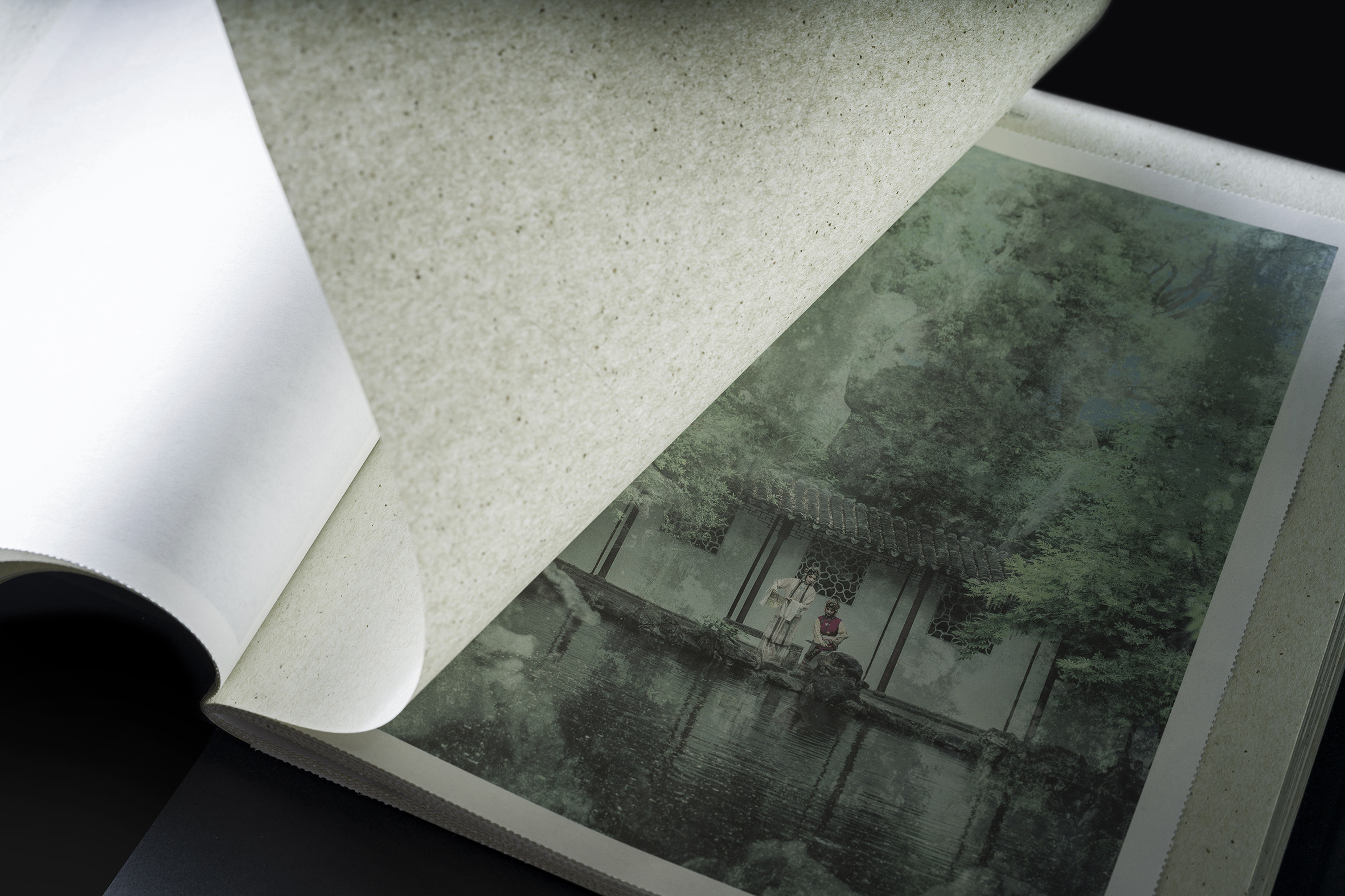
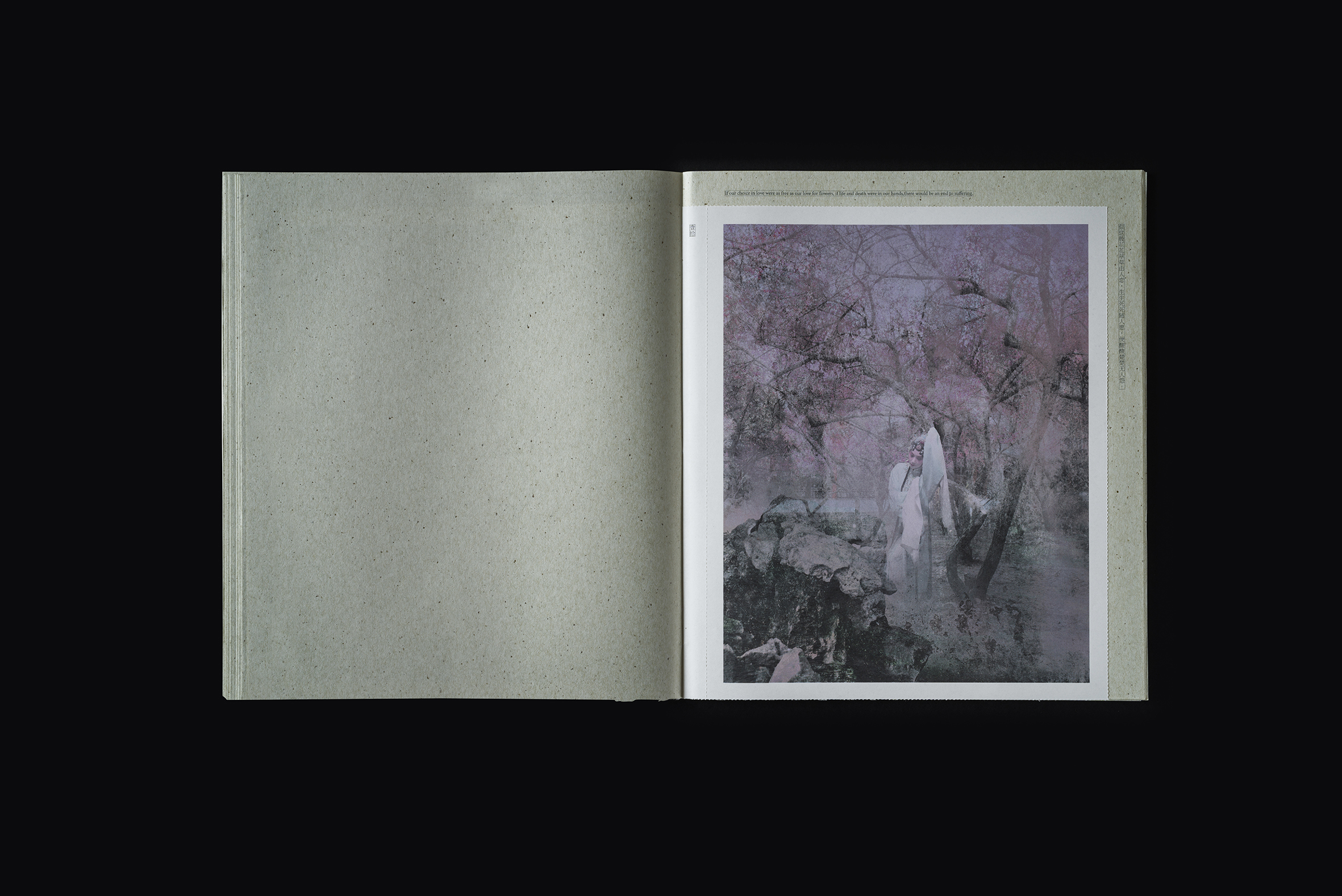
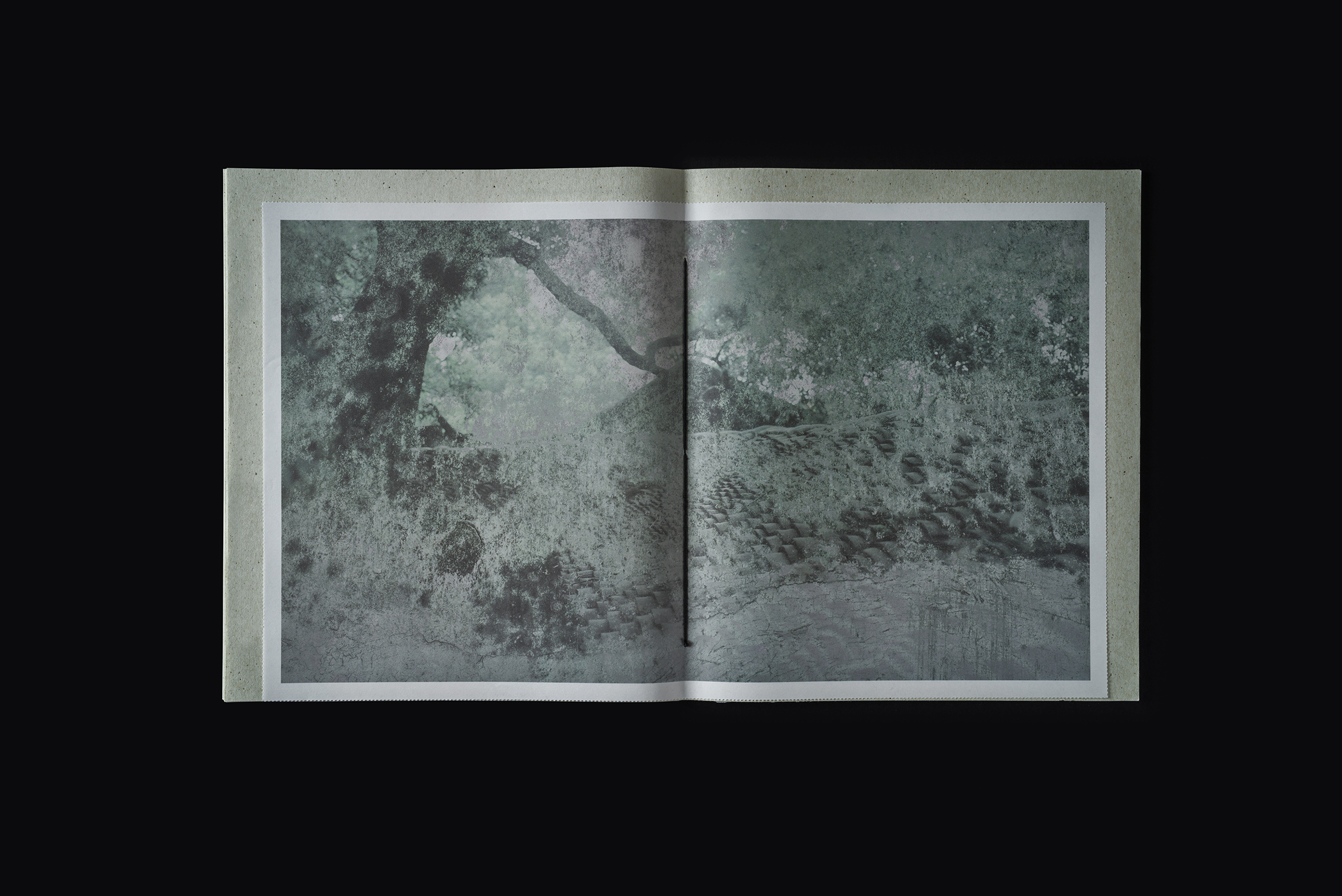
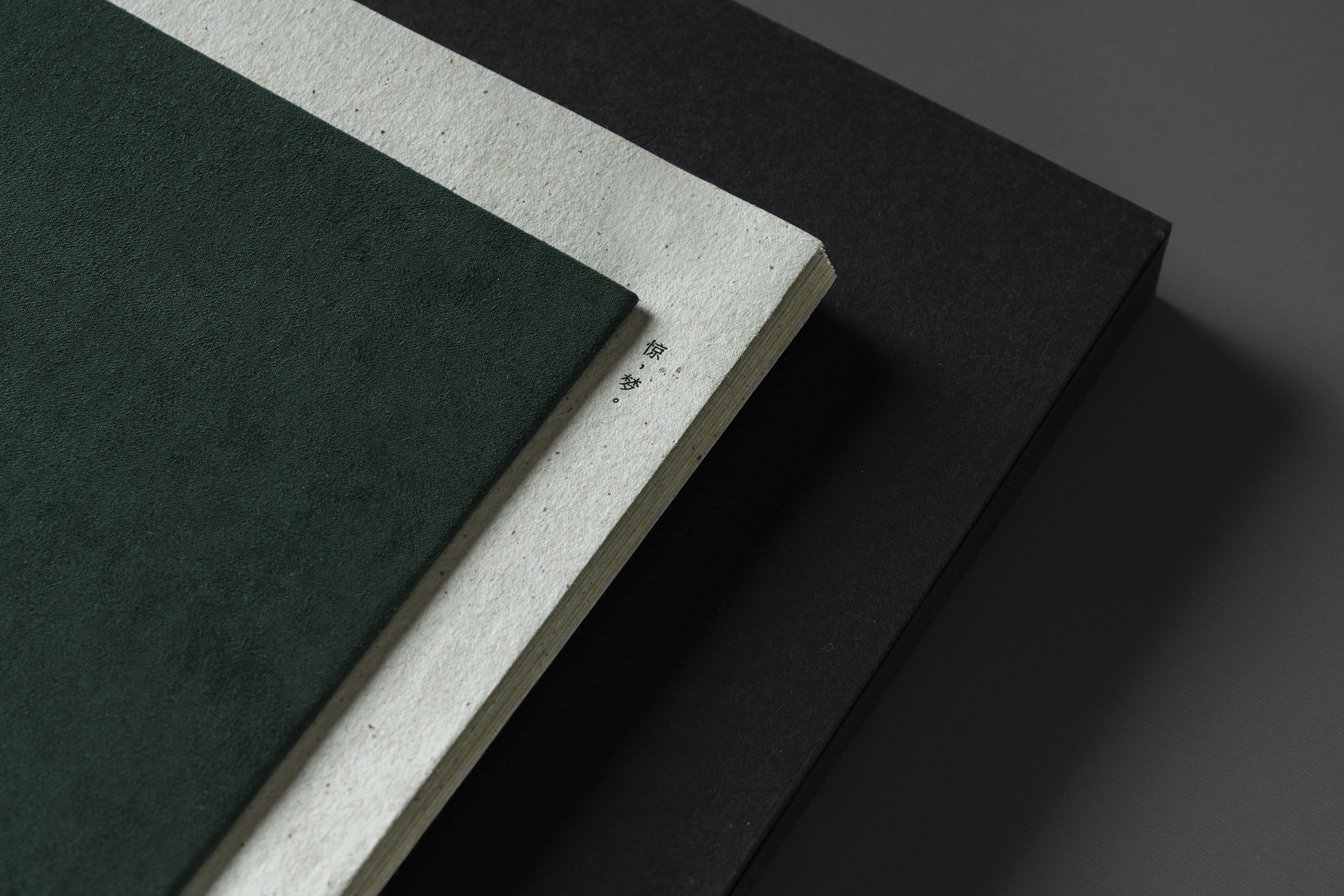
The Peony Pavilion depicts one of most well-known dreams in ancient China. A maiden encountered a man in her dream and fell in love with him so deeply that she died later in the lovesickness. But love also brought her back to life and finally the couple lived together happily. As the famous lines in the play say, “Love will never end once it begins even without reasons; a lover may die and revive for love.”
The play was originally written for staging as Kunqu Opera. This photography book, also inspired by Kunqu, is about many things:
The Peony Pavilion in dream
The fantasy and idea in the Kunqu Opera performance
Endless dreams by the lake and hill in classical gardens in Jiangnan region
The radiant youth and fascinating love
The time that never stops
The legend from long long ago
The Beauty from the past and timeless
《牡丹亭》是中国古代最著名的梦,女子在梦中遇到壹男子,爱而不得竟死去。但爱情的力量,又使她回生,二人终成眷属。是为“情不知所起,壹往而深。生者可以死,死可以生。”
本摄影画册是基于昆曲《牡丹亭》创作而成,也许可以说——
是梦境中的《牡丹亭》,是昆曲《牡丹亭》中的梦与境。
是江南园林湖山花台的幽梦无边,是青春的绽放和爱情的沉醉。
是时光生生不息,
是传奇悠远流长,
是美穿越古
今超越时间。